
Attachment Theory
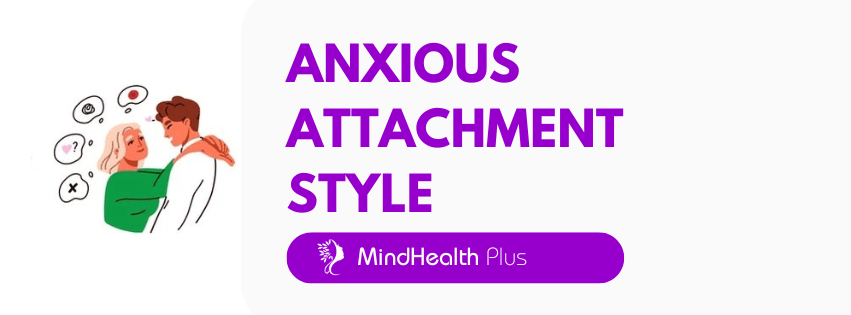
In the framework of Attachment Theory by John Bowlby and Mary Ainsworth, anxious attachment style is a bond where individuals seek a high level of intimacy and approval from their partner but simultaneously fear abandonment and rejection. This style is often marked by dependence, worry, and fear of loss in relationships.
Anxious Attachment, According to psychological definitions, anxious attachment involves preoccupation with closeness and hypervigilance about relationship security, where individuals may feel a persistent need for reassurance from their partner.
Emotional Dependence: It represents a tendency toward emotional dependence on a partner, where self-worth may be highly tied to the relationship, and there is often a need for frequent validation.
Other Names
– Preoccupied Attachment
– Anxious-Preoccupied Attachment
– Insecure-Anxious Attachment
In Simple Words, Anxious attachment is a style where a person feels constantly worried that their partner might leave or stop loving them. They seek constant closeness, approval, and reassurance and may feel insecure if they don’t get it.
Signs of Anxious Attachment
- Constant need for reassurance and validation from a partner
- Fear of abandonment or rejection
- High emotional sensitivity and quick reactions to changes in the partner’s behavior
- Preoccupation with the relationship, often thinking about it frequently
- Difficulty being alone or feeling independent
- Overanalyzing interactions and fearing negative outcomes
- Clinginess or possessiveness
- Jealousy or insecurity about the partner’s other relationships
- Self-worth tied to the partner’s attention and approval
- High levels of anxiety and worry when the partner is unavailable
Examples of Behaviors in Relationships
- Frequently texting or calling their partner to check in.
- Seeking constant reassurance about the relationship, asking, “Do you still love me?”
- Feeling hurt or panicked if their partner doesn’t respond quickly.
- Overreacting to minor issues or conflicts.
- Becoming upset when their partner wants time alone or with friends.
- Reading into the partner’s actions for signs of trouble.
- Compromising personal needs or values to keep the partner happy.
- Feeling anxious and insecure when away from the partner.
- Clinging or being overly affectionate to avoid distance.
- Struggling with jealousy of anyone close to the partner, such as friends or family.
They Say in Their Relationship
- “Are you sure you still love me?”
- “Why didn’t you text me back right away?”
- “I’m afraid you’re going to leave me.”
- “Do you miss me when I’m not around?”
- “I don’t want you to go out without me.”
- “I feel like you don’t care about me as much as I care about you.”
- “Please don’t be mad at me.”
- “I don’t know what I’d do if you ever left me.”
- “I’m worried you’ll find someone better.”
- “Why do you need so much space?”
Summary
Anxious attachment often leads to emotional dependency, a need for constant validation, and a fear of being alone or abandoned, which can create tension in relationships.
_

 MindHealth Plus